Cost
Pressure on electricity bills and contracted capacity
Peak rates and demand charges keep monthly electricity bills high.
Peak shaving and valley filling, demand dispatch
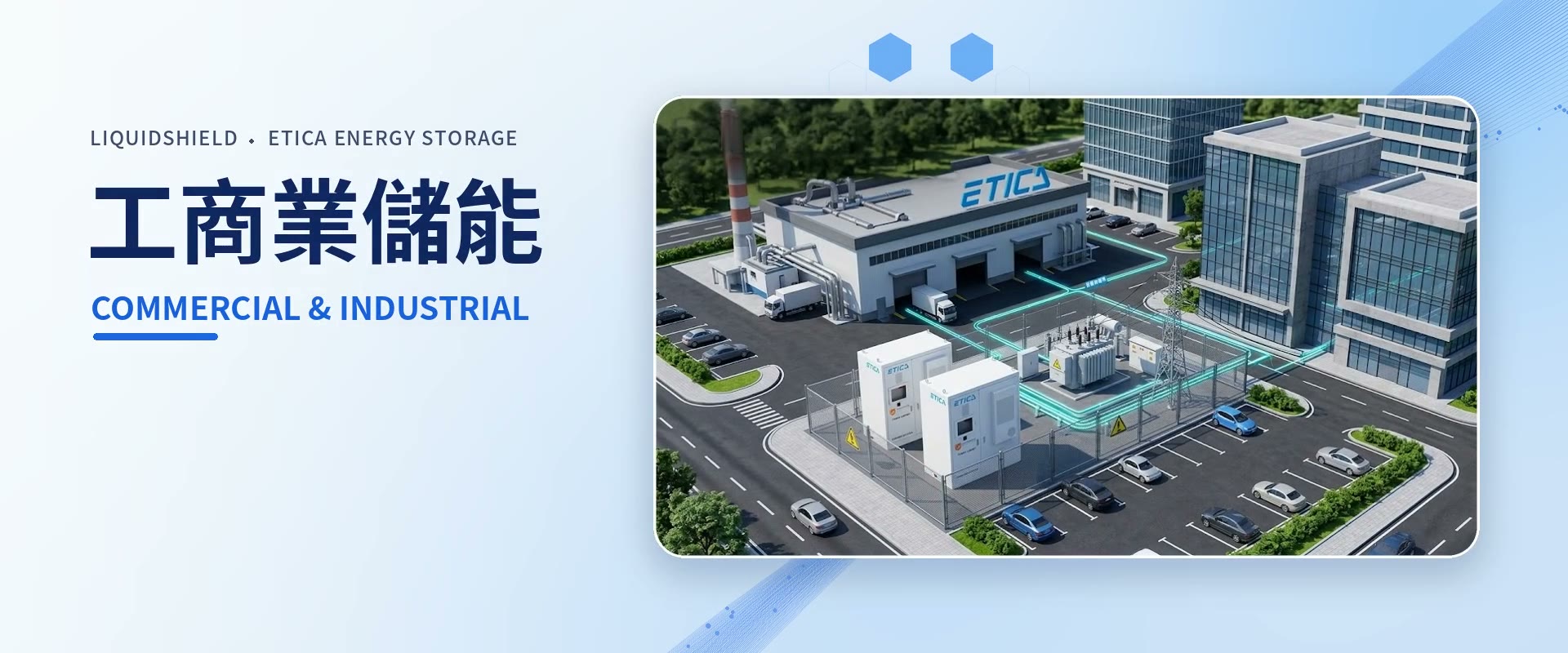
CHALLENGES
Energy storage has moved from a supplement to power supply to infrastructure. Siting, insurance, and community acceptance often decide whether a project can proceed, before the equipment itself does.
Cost
Peak rates and demand charges keep monthly electricity bills high.
Peak shaving and valley filling, demand dispatch
Resilience
Production lines, equipment rooms, and medical devices cannot be interrupted and need backup power that switches over immediately.
Utility backup and on-grid/off-grid transfer
Safety
Densely populated areas have the highest regulatory and insurance thresholds, and residents are the most sensitive.
Full-immersion cooling and multi-layer fire protection
THERMAL MANAGEMENT
The battery sets the ceiling, and thermal management sets the floor. The differences among the three cooling methods are as follows.
| Comparison Items | Air Cooling | Liquid Cold Plate | Immersion (ETICA) |
|---|---|---|---|
| Cooling Method | Airflow | Single-sided metal-plate contact | Cells fully immersed, with heat exchange on all six sides |
| Cell Temperature Difference | Greater | About 10–15°C (up to 28°C in extremes) | Within ±1.5°C |
| Thermal Runaway Risk | Limited heat dissipation | Hot spots and contact thermal resistance | Dielectric fluid removes heat and shuts out oxygen |
| Applicable Sites | Low-power, small-scale scenarios | Cost-sensitive transition projects | City centers, critical facilities, and data centers |
Cell temperature difference and safety performance vary with the system, the load, and the test conditions.
APPLICATIONS
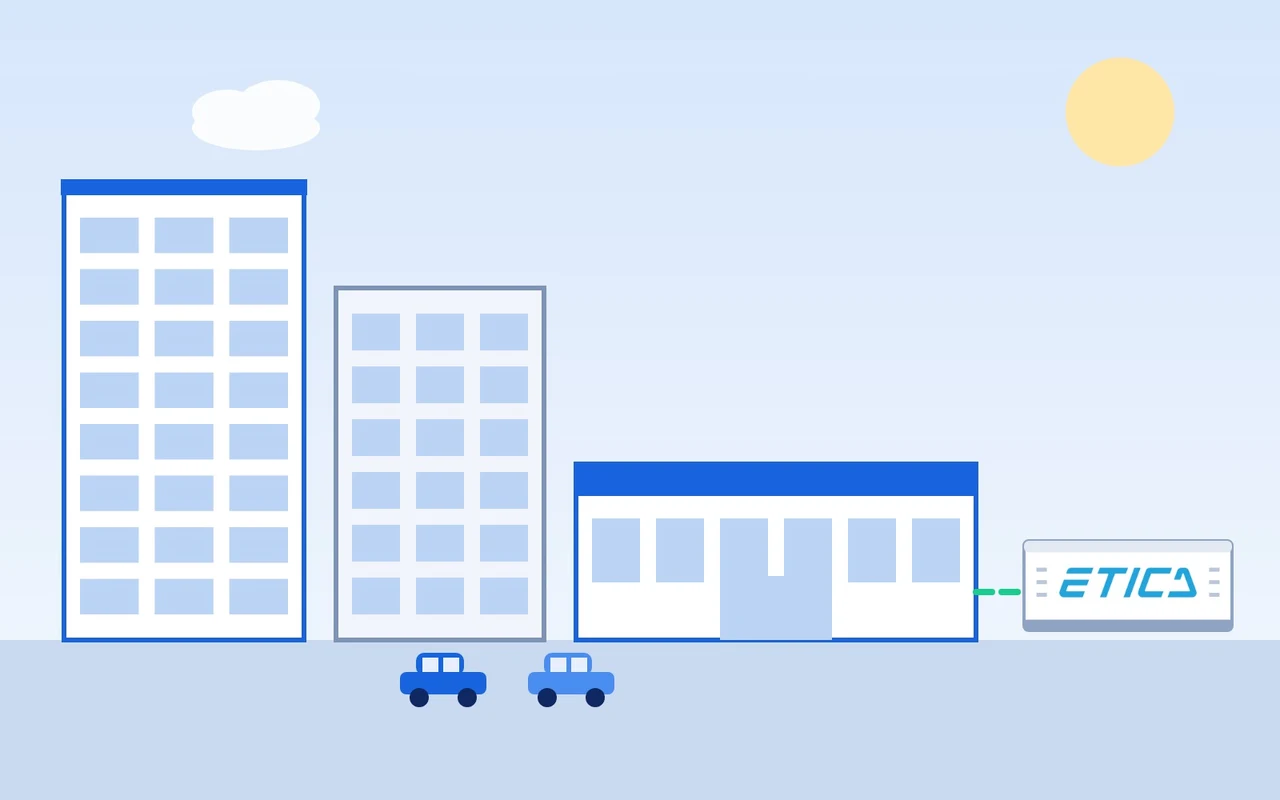
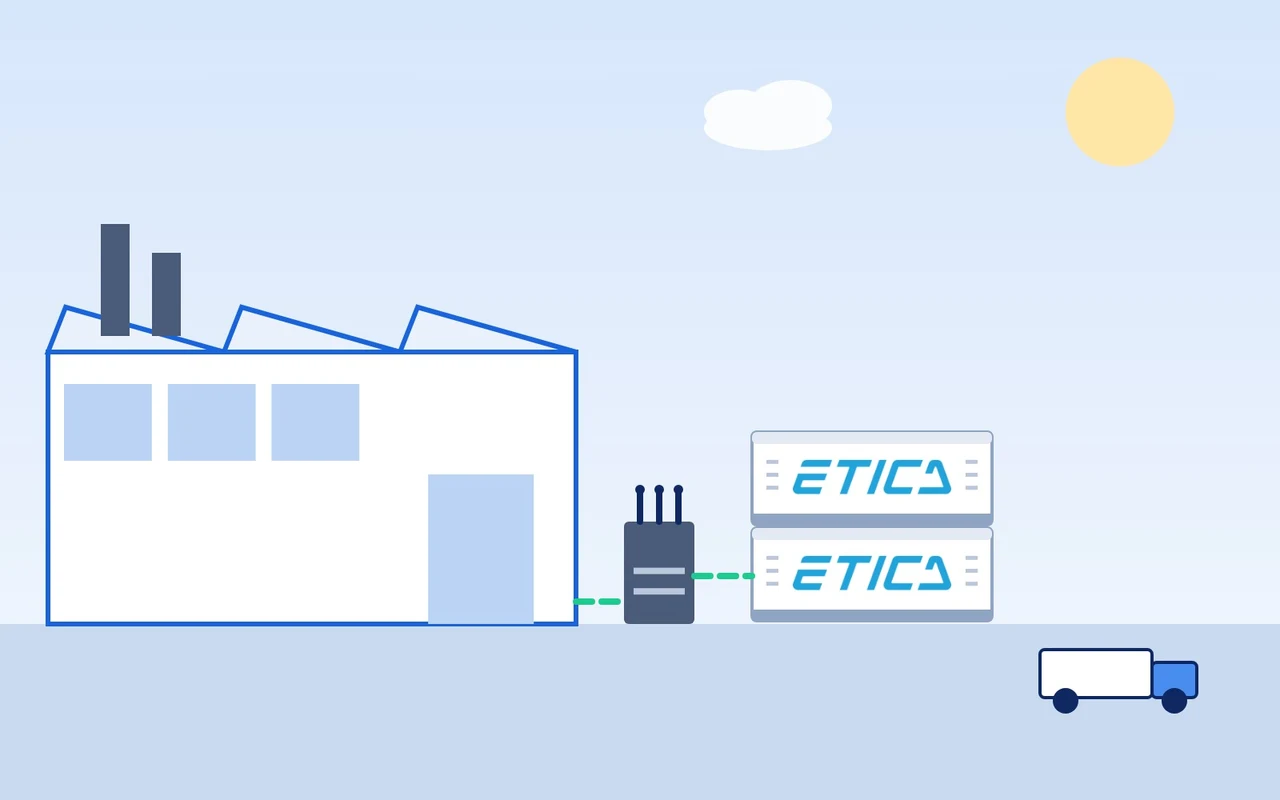
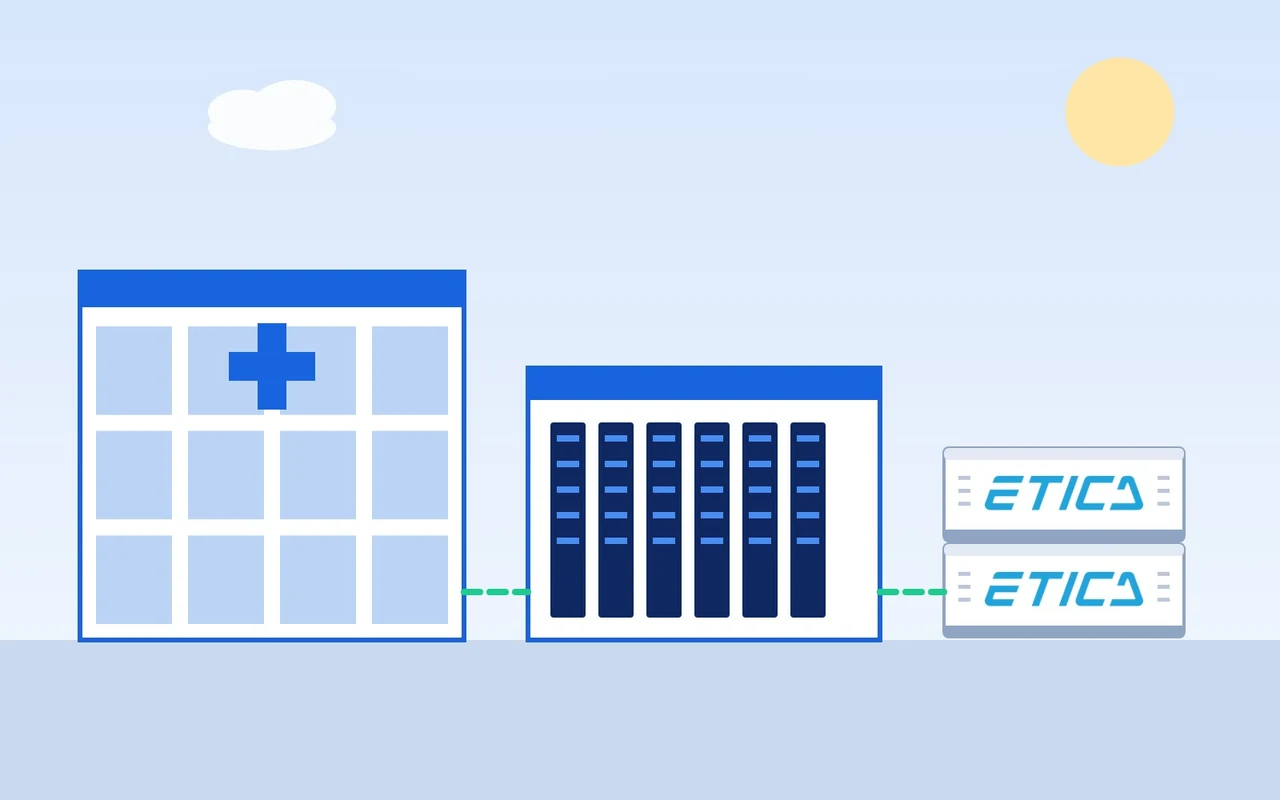
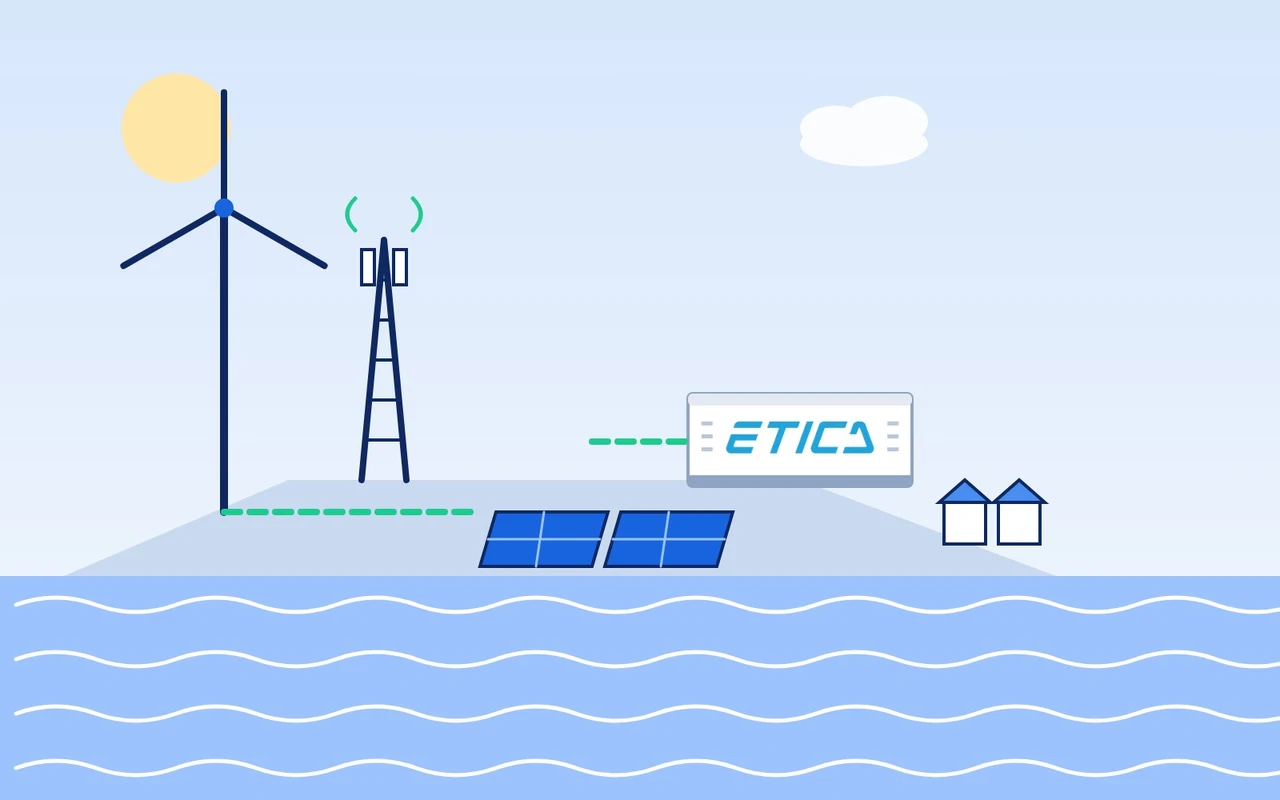
Energy storage configuration is planned according to location, climate, use, and population density.
PRODUCTS
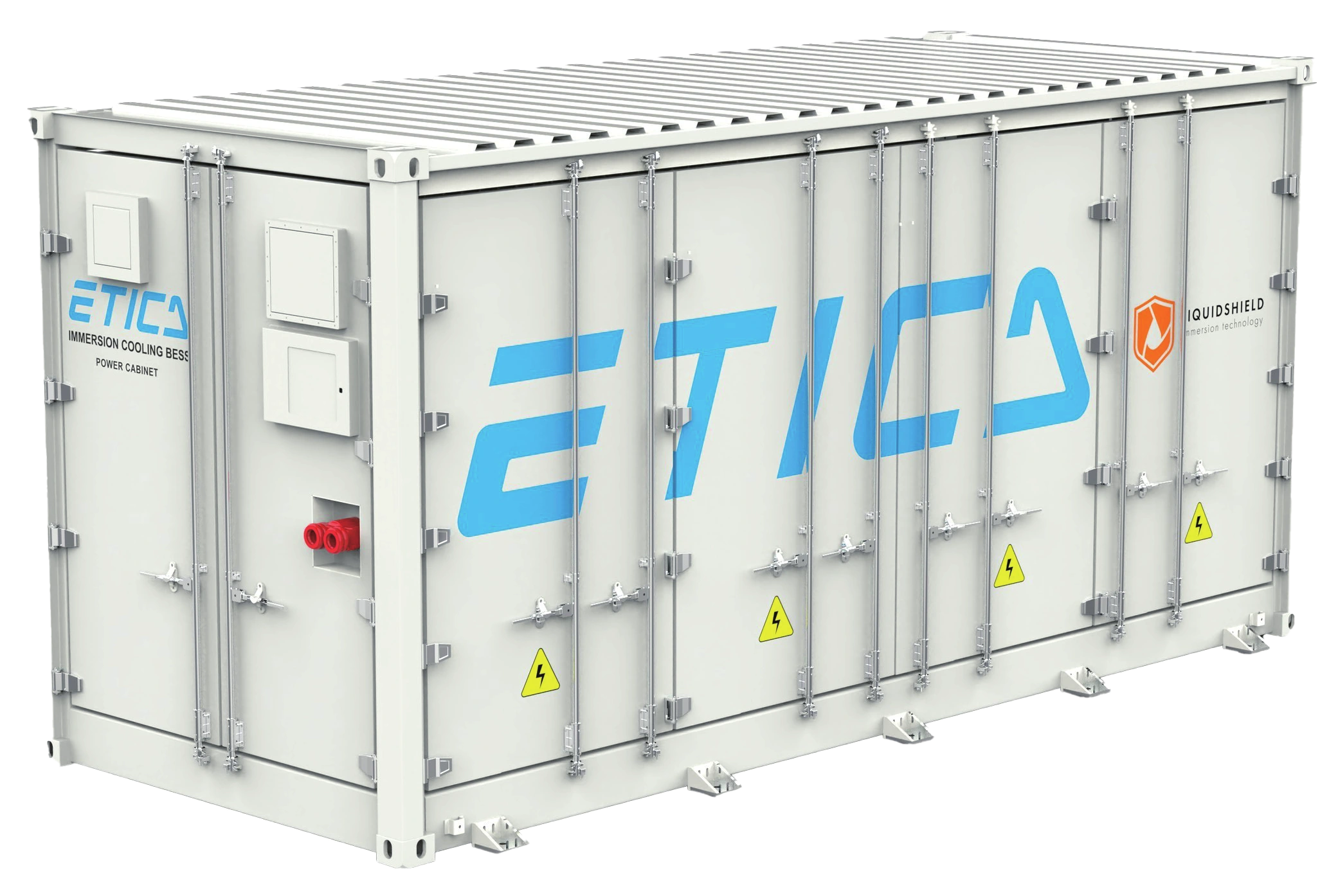
20-ft energy storage container · 3.06 MWh · rated 1.53 MW (2 hours) · 8000-cycle life
View product specificationsView the Chinese catalog (PDF)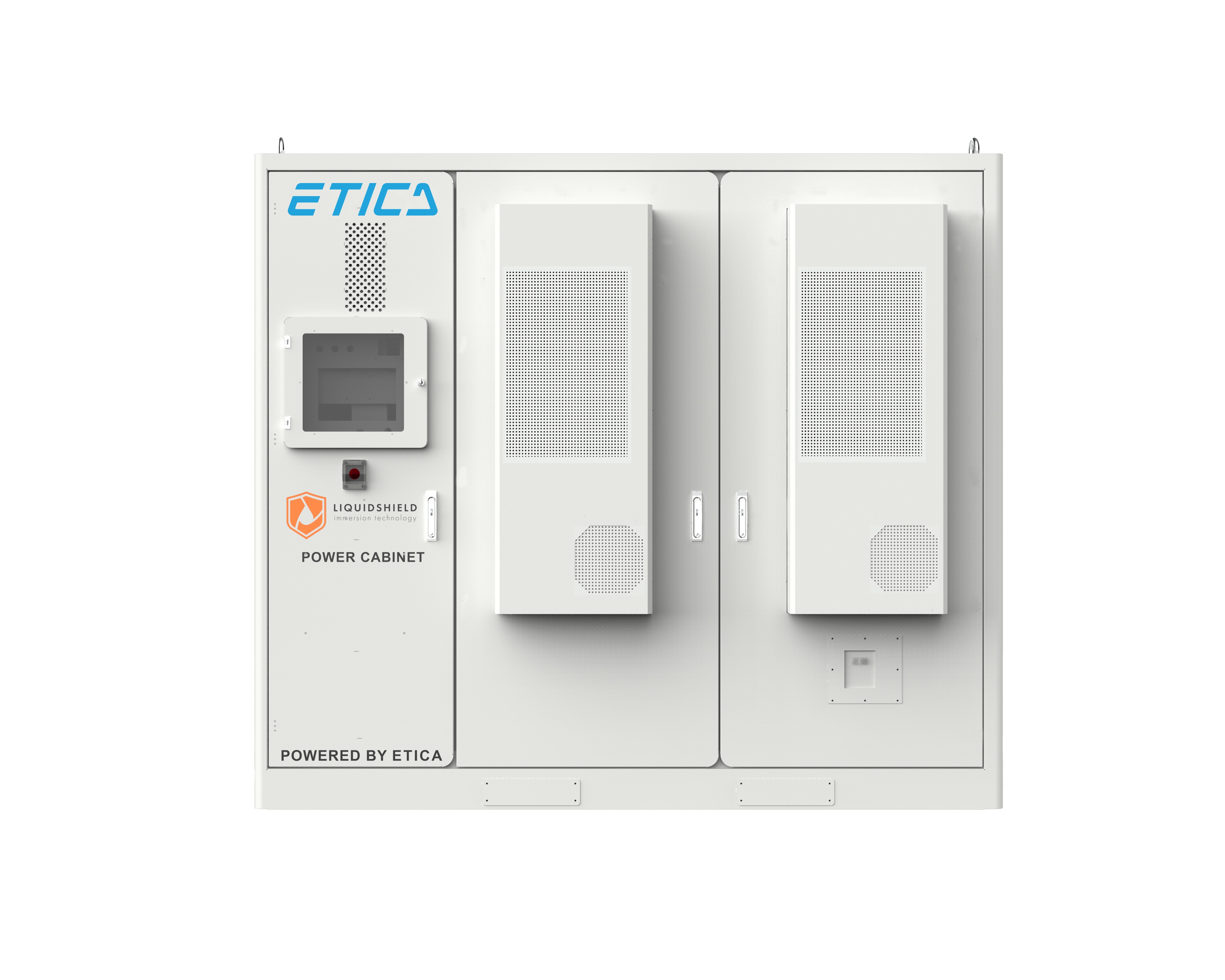
Outdoor energy storage cabinet · 340 kWh · rated 170 kW (2 hours) · cabinet rating IP54
View product specificationsView the Chinese catalog (PDF)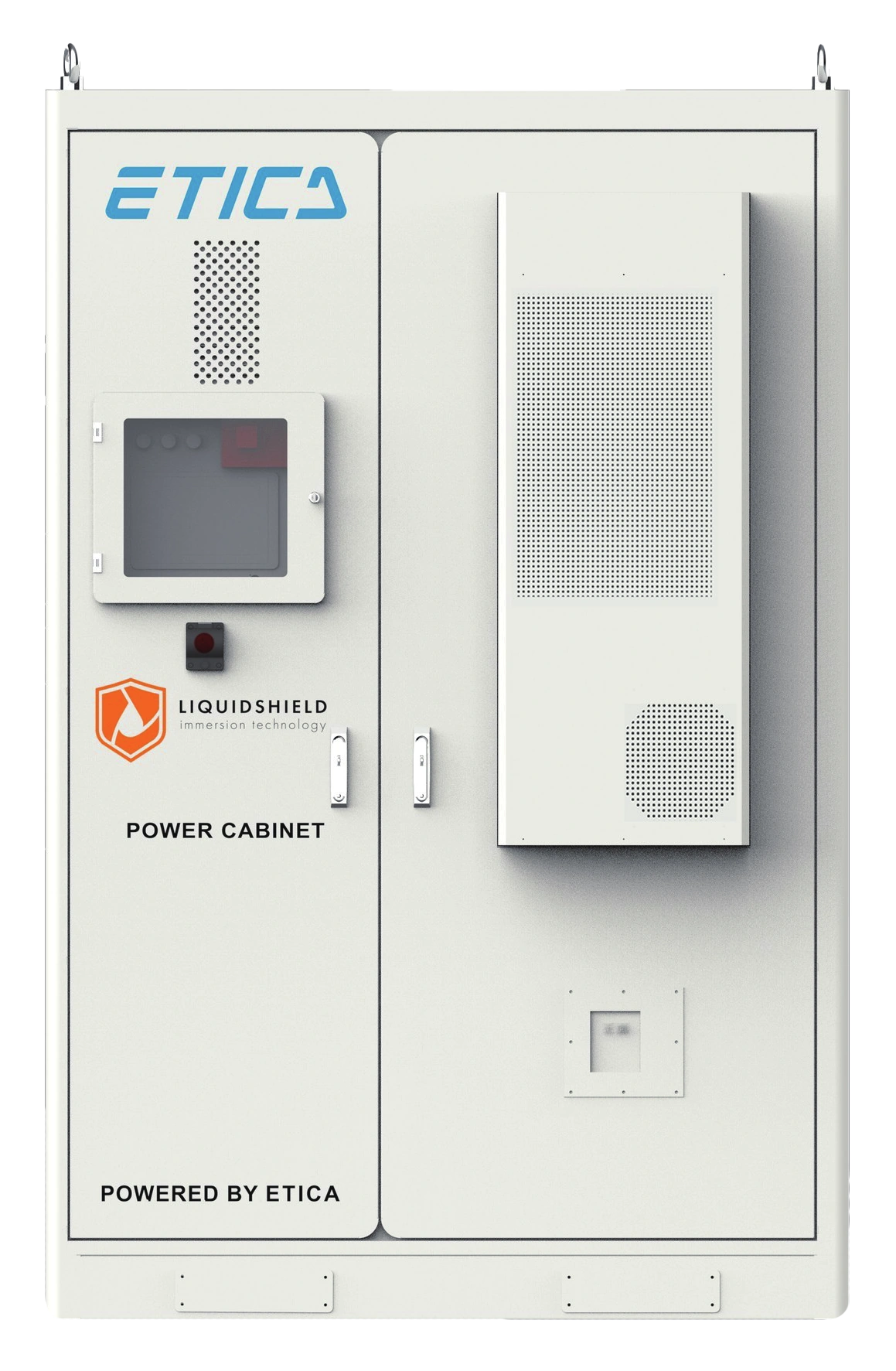
Outdoor energy storage cabinet · 250 kWh · rated 125 kW (2 hours) · cabinet rating IP54
View product specificationsView the Chinese catalog (PDF)PROCESS
Load curve, contracted capacity, and space
Application and review by site type
Capacity, cooling, and EMS strategy
Installation, testing, and acceptance
24-hour monitoring and predictive maintenance
Tell us about the site and how electricity is used, and we will help assess the most suitable capacity and configuration.