
Power Your Microgrid with Safe, Reliable Storage

ETICA non-flammable BESS technology ensures uptime, safety, and long-term performance for critical and remote microgrid applications.

The Challenge

Unreliable Grids. Unsafe Batteries. Rising Pressure.

Organizations face mounting pressure from rising energy costs, peak demand charges, and a grid that’s increasingly unstable due to weather, aging infrastructure, and load growth.

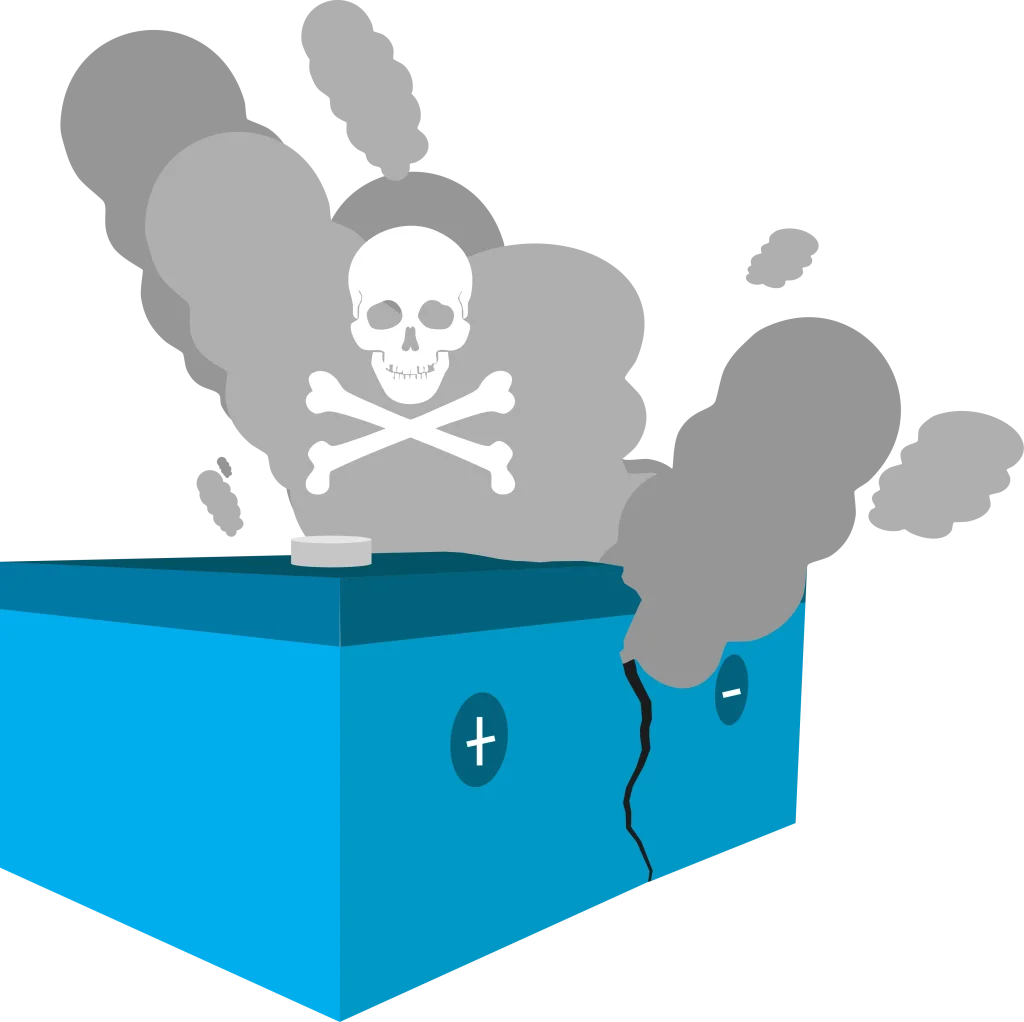
Conventional lithium battery systems come with safety risks and permitting delays, especially in sensitive environments. These challenges threaten operational continuity, energy goals, and long-term return on investment.

These threats jeopardize not only operations, but also worker safety, regulatory compliance, and brand integrity.

our Solution

Safer Battery Storage for Smarter Microgrids

ETICA Battery Energy Storage Systems (BESS) are engineered for resilience and safety in microgrid applications. Our LiquidShield™ Immersion Cooling Technology eliminates thermal propagation, allowing you to deploy battery storage without the fire risk or permitting delays of traditional lithium systems.

This non-flammable, actively cooled design keeps batteries operating within optimal temperature ranges, extending system life and minimizing degradation.

With modular architecture and seamless integration into microgrids, ETICA storage systems are ideal for hospitals, data centers, remote communities, and other critical infrastructure that demand maximum uptime and peace of mind.

Applications

How Microgrids Use BESS

Peak Shaving

Discharge stored energy during peak pricing hours to lower demand charges and smooth load curves.

Load Shifting

Charge batteries during low-cost periods or excess solar production and use energy when rates are higher.

Backup Power

Instantly support essential systems during grid outages without relying solely on generators.

Renewable Integration

Store intermittent solar and wind energy to ensure a stable, dispatchable power source within the microgrid.

Grid Islanding

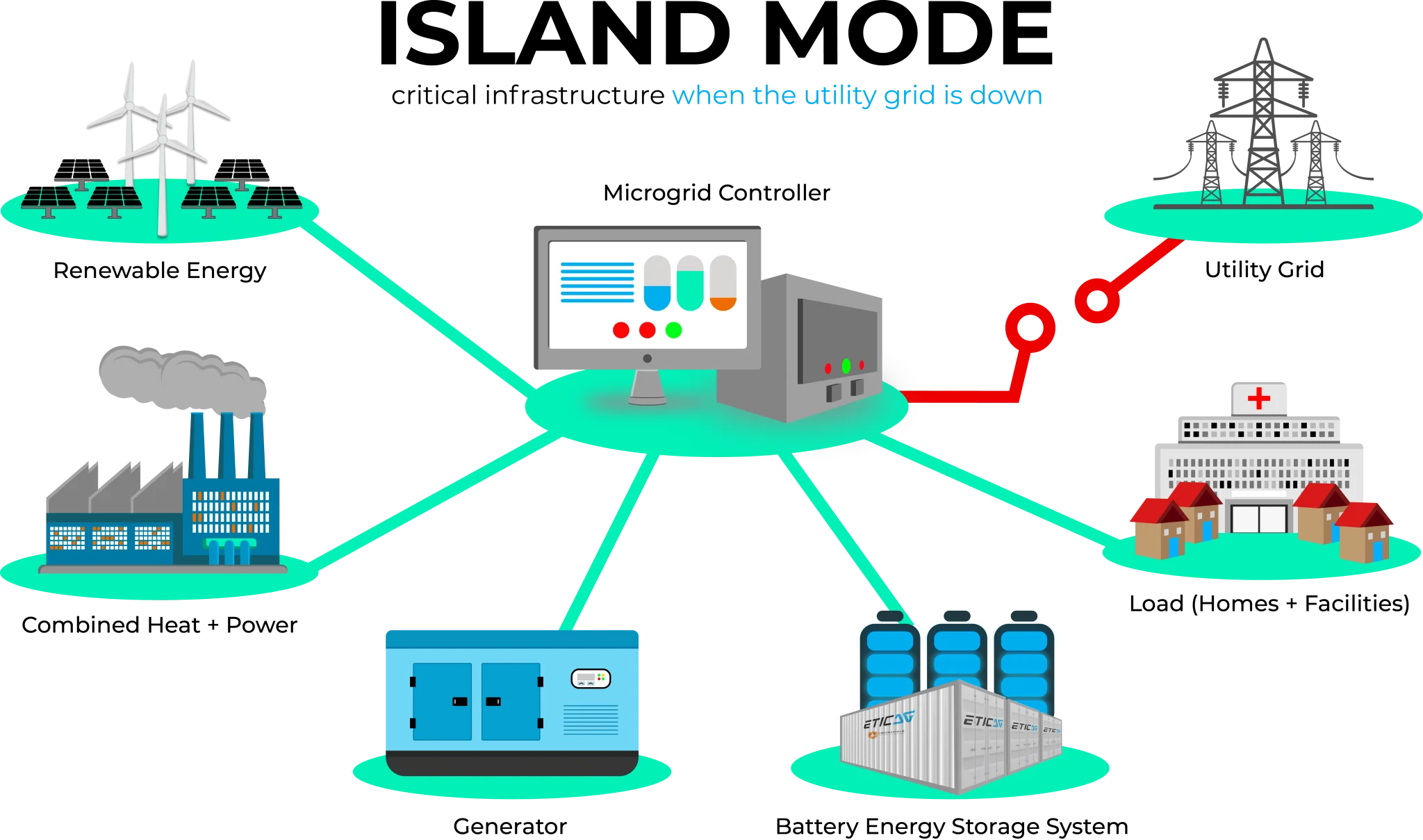
Enable seamless transitions between grid-connected and islanded modes to keep power flowing during disturbances.

EV Charging Support

Power high-demand charging events without overloading the microgrid or the utility interconnection.

Your questions answered

Common questions

What is a microgrid and how is it different from the main utility grid?

A microgrid is a localized energy system that can operate independently or alongside the main grid. It combines power generation (like solar), battery storage, and smart controls to deliver resilient, site-specific electricity—even when the utility grid is down.


Why do microgrids need battery storage?

Battery Energy Storage Systems (BESS) allow microgrids to store excess energy and deploy it during outages or high-demand periods. This enables true energy independence, load balancing, and integration of intermittent renewables like solar and wind.


How does ETICA BESS improve microgrid safety?

ETICA non-flammable, immersion-cooled BESS prevents thermal propagation and fire risk. This makes it easier to permit and safer to operate in sensitive environments like hospitals, schools, and data centers.


Are microgrids only for off-grid or remote locations?

No. Microgrids are increasingly used in urban, commercial, and industrial settings to improve energy reliability, reduce costs, and support sustainability goals—even when the main grid is available.


How much does a microgrid cost?

Costs typically range from $2M to $5M per megawatt, depending on technology and scale. While upfront investment is significant, long-term savings, resilience, and available incentives often deliver strong ROI.


What incentives or funding are available for microgrids?

Federal and state programs like DOE 40101(d), California SGIP, and FEMA BRIC offer funding for resilient energy infrastructure. ETICA systems also help reduce insurance and permitting costs thanks to their safety design.